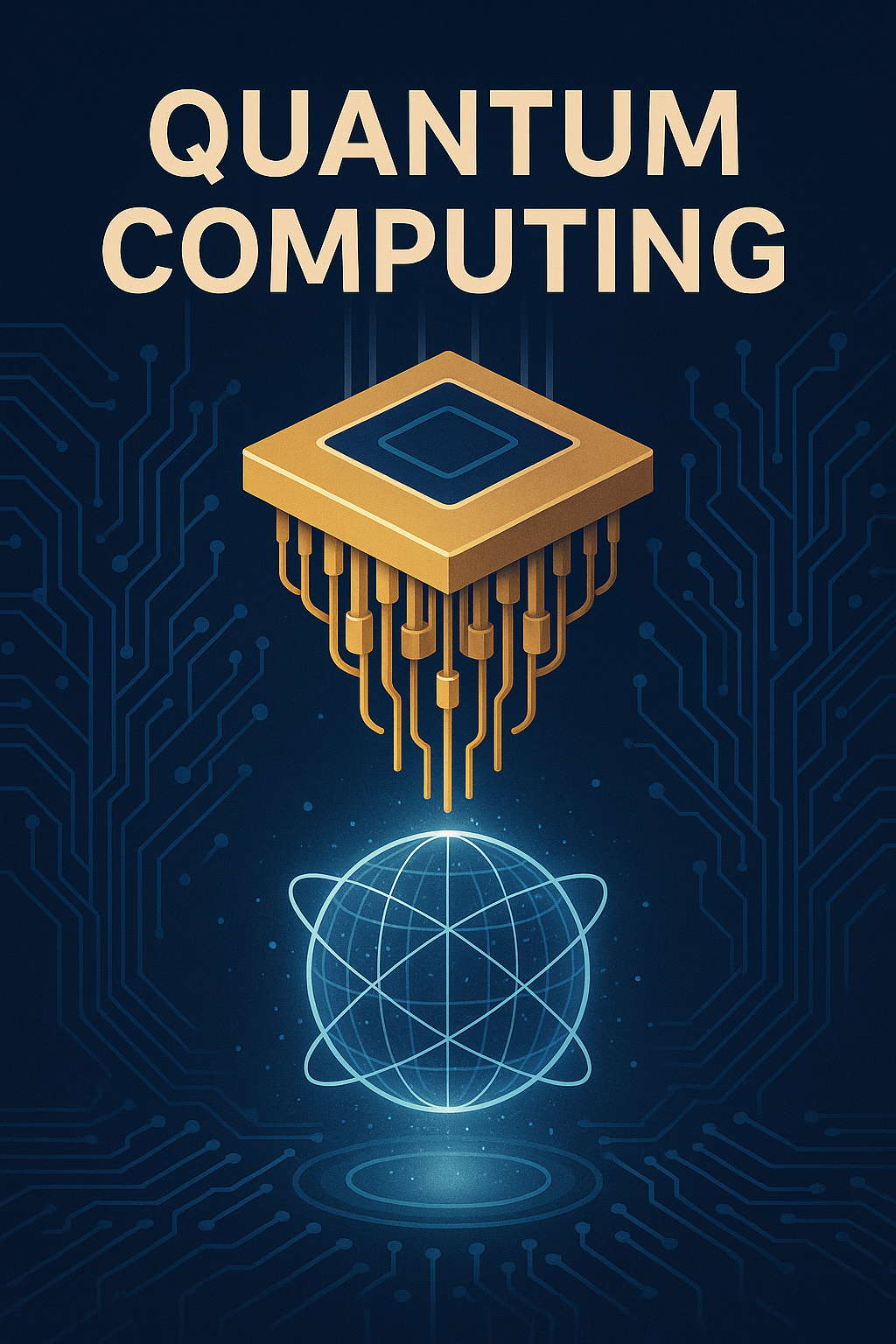
What Is Quantum Computing?
Quantum computing is a paradigm shift in computing, leveraging the principles of superposition, entanglement, and interference. Unlike traditional bits, which exist as 0s or 1s, quantum bits—qubits—can exist in multiple states simultaneously. This means that quantum devices can process vast amounts of data in parallel, solving complex problems like large-scale optimization, cryptography, and material simulations with exponentially increased efficiency.
Why Quantum Computing Matters
Quantum computing stands to revolutionize many sectors through its transformative power:
Accelerating Scientific Discovery: The ability to model complex molecular structures can greatly expedite drug discovery and material science research. Imagine simulating protein interactions or predicting the behavior of new compounds with accuracy that was once unimaginable.
Enhancing Cryptography: Many of today’s encryption methods rely on the difficulty of factoring large numbers—a task quantum computers could potentially solve. This dual-edged nature means that while quantum computers could expose vulnerabilities, they also drive innovations towards quantum-safe cryptography.
Optimizing Complex Systems: From traffic management in smart cities to dynamic supply chain logistics, quantum computing offers solutions for optimizing systems where millions of variables interact. The capability to process these variables simultaneously leads to more efficient and effective decision-making processes.
Transforming Industries: Sectors like finance, energy, and logistics stand to gain from the unique problem-solving capabilities of quantum devices. Whether it's optimizing portfolio management or advancing renewable energy models, quantum technology is poised to create new disruptions in the global market.
Challenges on the Quantum Frontier
Despite its enormous potential, quantum computing faces significant technical and practical hurdles:
Error Rates and Stability: Qubits are incredibly sensitive to environmental factors, leading to high error rates. Continuous efforts in quantum error correction and maintaining coherence are essential to make quantum computing reliable.
Scalability: Building scalable quantum systems remains a daunting challenge. Current quantum computers are limited in qubit count, which restricts their ability to tackle large-scale problems.
Ethical and Security Implications: The advent of quantum computing brings with it ethical considerations, especially regarding data security. Preparing for a quantum future involves rethinking encryption standards and ensuring these new systems are developed with safety and fairness in mind.
The Road Ahead
The field of quantum computing is akin to the early days of classical computing—a space abundant with both promise and obstacles. Researchers worldwide continue to make breakthroughs, from incremental qubit improvements to innovative algorithms that can unlock new applications. As the technology matures, the integration of quantum computers into existing infrastructures could lead to hybrid systems, combining classical efficiency with quantum prowess for everyday tasks.
The quantum revolution is not a distant dream but an emerging reality. Industries and governments are investing in quantum research, laying the groundwork for what could be the next wave of technological evolution. The future promises more than just faster computing—it could redefine how we solve problems, design technologies, and understand the world around us.
Beyond the Blog: If quantum computing’s potential intrigues you, consider exploring its impact on fields such as artificial intelligence, cryptography, and material sciences. Emerging discussions on quantum internet, hardware breakthroughs, and ethical considerations offer endless opportunities for further exploration. What challenges or breakthroughs in quantum computing capture your imagination the most?