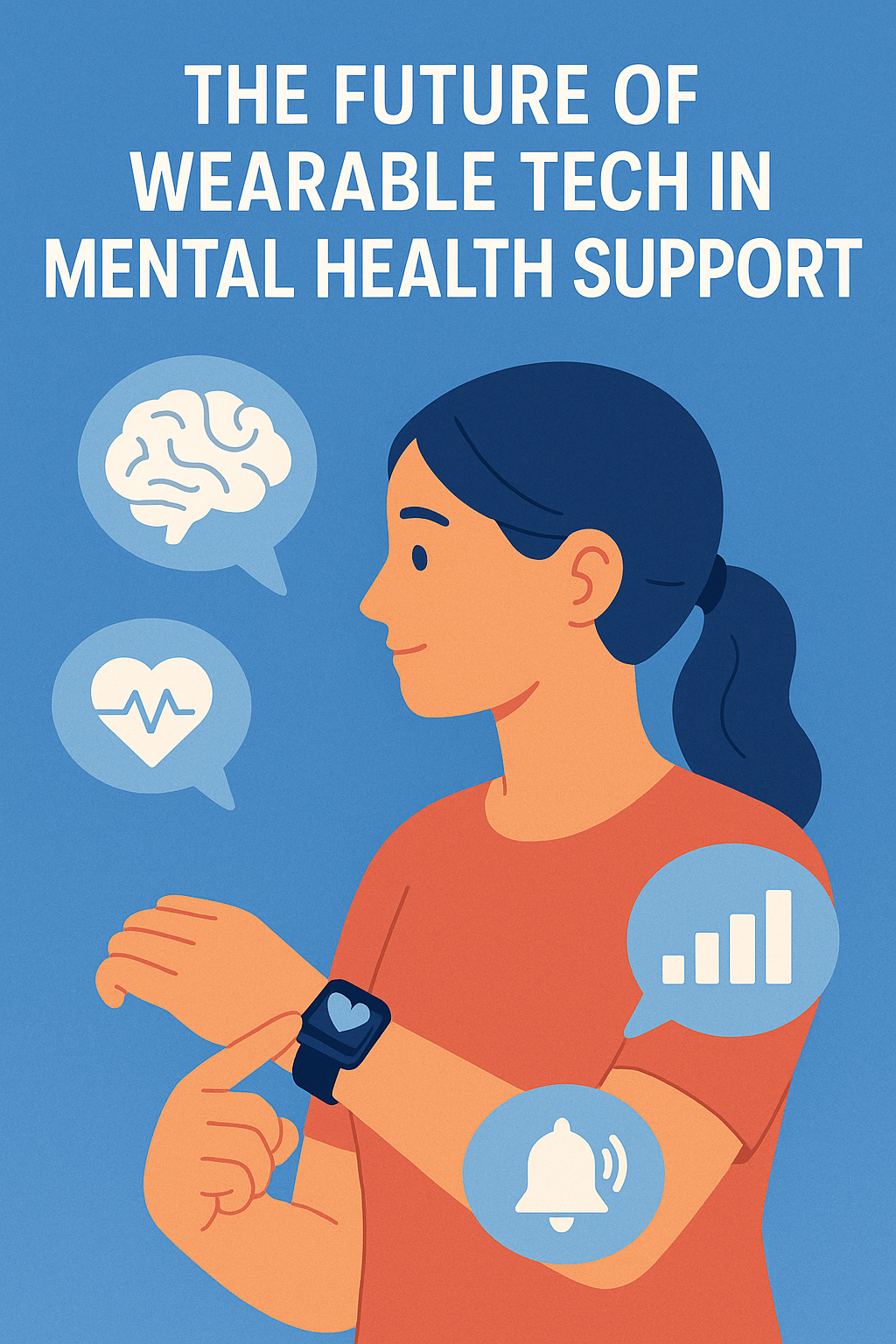
Wearable technology has revolutionized the way we track our physical health, but its potential in mental health support is equally promising. As wearable devices become increasingly sophisticated, they're being explored as a tool to monitor, manage, and even predict mental health issues. Let's dive into the exciting future of wearable tech in mental health support. Current Trends 1. Mood tracking: Wearables can monitor physiological signals like heart rate and skin conductance, which can indicate emotional states. 2. Stress detection: Devices can detect stress levels, alerting users to take action. 3. Mindfulness and meditation: Many wearables offer guided meditation and mindfulness exercises. Future Possibilities 1. Predictive analytics: Advanced algorithms may predict mental health episodes, enabling proactive interventions. 2. Personalized interventions: Wearables could provide tailored coping strategies based on individual user data. 3. Integration with therapy: Wearables might enhance traditional therapy by providing real-time data and insights. Potential Benefits 1. Early intervention: Wearables can identify issues before they escalate. 2. Increased accessibility: Wearable tech can reach more people, especially in underserved communities. 3. Improved treatment outcomes: Data-driven insights can inform treatment plans. Challenges and Considerations 1. Data accuracy and reliability: Ensuring wearables provide accurate data is crucial. 2. User engagement: Encouraging consistent use and engagement is vital. 3. Privacy and security: Protecting sensitive mental health data is essential. The Road Ahead As wearable tech continues to evolve, its potential to support mental health will grow. By harnessing the power of wearables, we can create more effective, accessible, and personalized mental health solutions. What do you think about the future of wearable tech in mental health support? Share your thoughts!