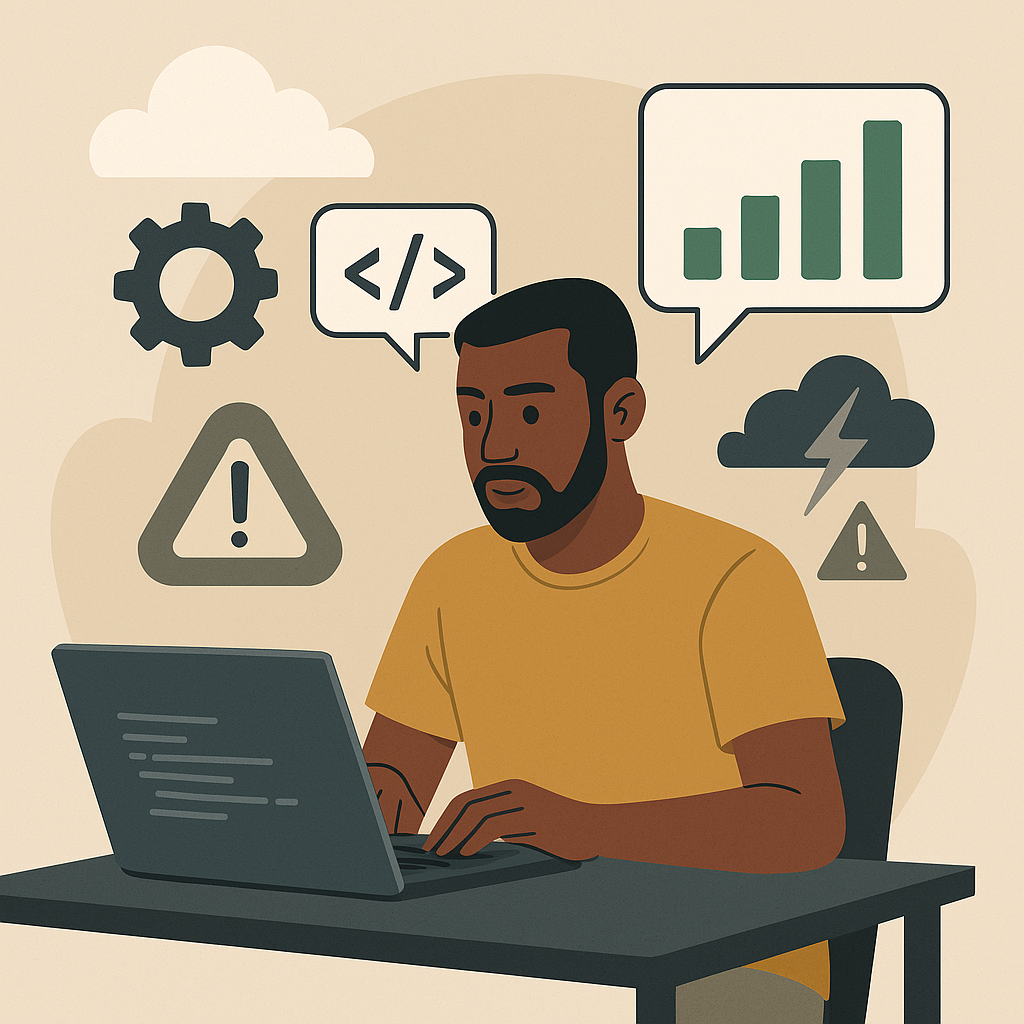
Balancing Code and Coursework: The Struggles of Being a Developer and a Student Being both a developer and a student is an ambitious and challenging journey. While both paths demand creativity, problem-solving, and constant learning, juggling them simultaneously can feel overwhelming. From managing tight deadlines to staying motivated, here are some common struggles student developers face—and how to navigate them. 1. Time Management Challenges Studying and coding require intense focus, but balancing school assignments with project deadlines can be exhausting. A student developer often has to: - Meet university coursework deadlines - Complete coding projects and freelance work - Attend classes while keeping up with the latest industry trends Solution: Developers thrive on structured problem-solving, and time management should be no different. Using productivity tools like Notion or Trello to organize tasks and setting realistic schedules can help prevent burnout. 2. Learning Overload Both academia and coding demand continuous learning. In school, a student might be tackling calculus, while on the development side, they’re mastering JavaScript frameworks. The overwhelming need to absorb knowledge across different domains can lead to mental fatigue. Solution: Prioritize! Identify crucial subjects that require immediate attention and break learning sessions into smaller, digestible portions. Studying in short bursts—using the Pomodoro technique—can make retention easier. 3. Financial Constraints Many student developers struggle with financial limitations, making it difficult to invest in paid courses, premium tools, or advanced hardware for coding projects. Solution: Leverage free resources! Platforms like freeCodeCamp, MDN Web Docs, and OpenAI tutorials provide high-quality learning materials without financial strain. Consider freelance gigs or internships to gain experience while earning some income. 4. Lack of Real-World Experience Academic coursework might not always reflect real-world software development challenges. Students may find themselves learning theoretical concepts without understanding how they translate into practical development scenarios. Solution: Contributing to open-source projects or working on real-world applications (even personal ones!) helps bridge the gap between theory and practice. Engage with developer communities like GitHub, Stack Overflow, or local tech meetups to gain exposure. 5. Maintaining Motivation Between failed code compilations and overwhelming school schedules, it’s easy to feel discouraged. Self-doubt and imposter syndrome frequently plague student developers, making them question their abilities. Solution: Every experienced developer once struggled with buggy code and long hours of debugging. Surround yourself with a supportive tech community, celebrate small wins, and remind yourself why you started coding in the first place! Final Thoughts Balancing development and academics is tough, but it’s also an opportunity to grow into a disciplined, resourceful professional. With persistence, smart strategies, and a passion for problem-solving, student developers can navigate these struggles and excel in both fields.